

AIART 2026
AIART 2026
2026年7月1日 19:06 广东
AIART 2026
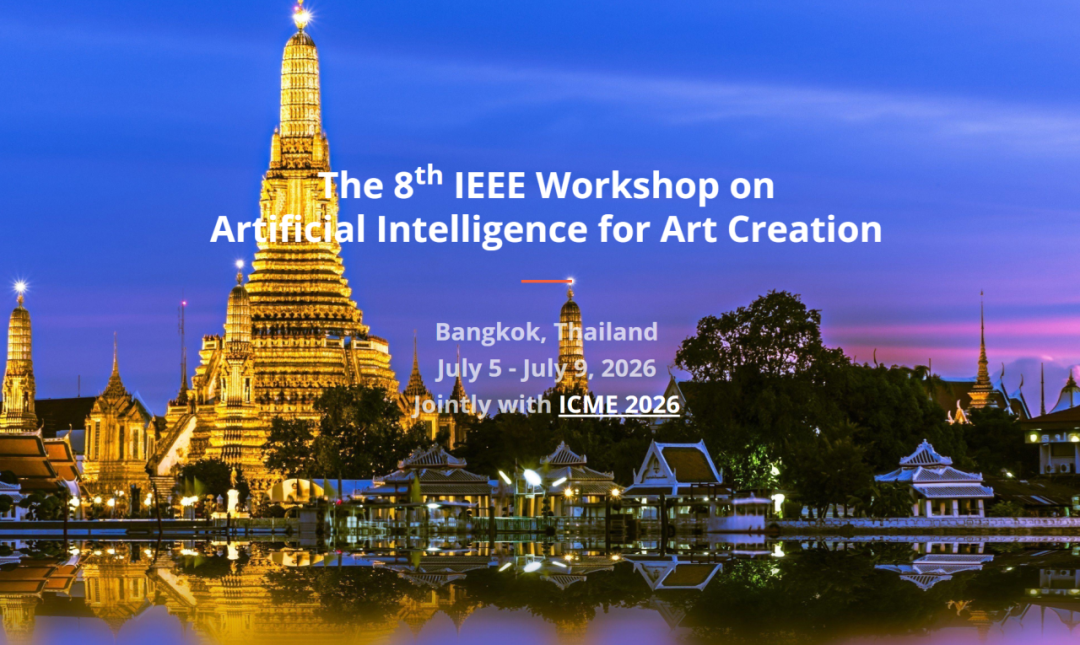
The 8th IEEE Workshop on
Artificial Intelligence for Art Creation
Bangkok, Thailand
July 5 - July 9, 2026
Jointly with ICME 2026
Introduction
Recent advances brought by Multimodal Large Language Model (MLLM), Multimodal Agents, and Embodied Intelligence have been powerful driving forces for art generation and understanding, drawing more and more attention from both academia and industry. Across creative fields, AI has already sparked new genres and experimentations in painting, music, film, storytelling, fashion and design. Researchers explore the human and AI co-creativity as well as the ethical implications of AI arts. AI has been applied to art historical research, cultural heritage revitalization, and media studies. The aesthetic value of AI generated content and AI’s impact on art appreciation have also been a contended subject in recent scholarship. AI has not only exhibited creative potential, but also stimulated research from diverse perspectives of neuroscience, cognitive science, psychology, literature, art history, media and communication studies. Despite all these promising features of AI for Art, we still have to face the many challenges such as the biases in AI models, lack of transparency and interpretability in algorithms, and copyright issues of training data and AI Art works.
This is the 8 th AIART workshop to be held in conjunction with ICME 2026 in Bangkok, Thailand, and it aims to bring forward cutting-edge technologies and most recent advances in the area of AI art as well as perspectives from related disciplines.
The theme topic of AIART 2026 will be Multimodal Agents for AI Art. We plan to invite 6 keynote speakers to present their insightful perspectives on AI art.
The varied topics of AIART are roughly classified into six Tracks as follows:
Track 1: Theories for AI Art
Neuroscience
Cognitive science and Psychology
Aesthetics
Creativity
Arts (Fine Arts, Arts and Crafts, Performing Arts, Interdisciplinary Arts, Literature and Art)
Track 2: AI for Art Generation
AI for painting and calligraphy
AI for video and movie
AI for music and audio
AI for literature
AI for design
AI for videogame
Adaptive expression
Track 3: AI for Art Understanding
Affective computing
Aesthetic evaluation
Multimodal agents
Embodied intelligence
World foundation models
Track 4: AI Art in Extended Reality (XR)
AI-driven procedural generation for VR/AR worlds
Virtual humans and digital performers
AI choreography for volumetric video and motion capture
Physics-aware and interactable generative assets
Track 5: Human–AI Co-Creation & Interaction
Interactive AI tools for artists
Real-time co-creation systems
XR/VR/AR environments for human–AI creative expression
Human–AI agency and authorship models
Perception and UX research in creative tool design
Track 6: AI for Humanity and the Humanities
AI for cultural heritage
AI for media studies
AI for social justice
AI for accessibility
AI for empathy
AI for textual analysis
AI ethics and safety
Authentication and IPR issues of AI artworks
Deepfake detection for creative industries
The authors of selected high-quality papers will be invited to submit an extended version to the Machine Intelligence Research (MIR) journal published by Springer, and the Transactions on Artificial Intelligence (TAI) journal published by Scilight.
Additionally, Best Paper Award will be given.
AIART 2026 will continue to organize the 2nd AIART Gallery for artists to showcase their creative AI artworks in the form of in-person gallery. The AIART Gallery will provide a great opportunity for people to experience interactive artworks and communicate creative ideas.
Keynotes
Keynote 1:
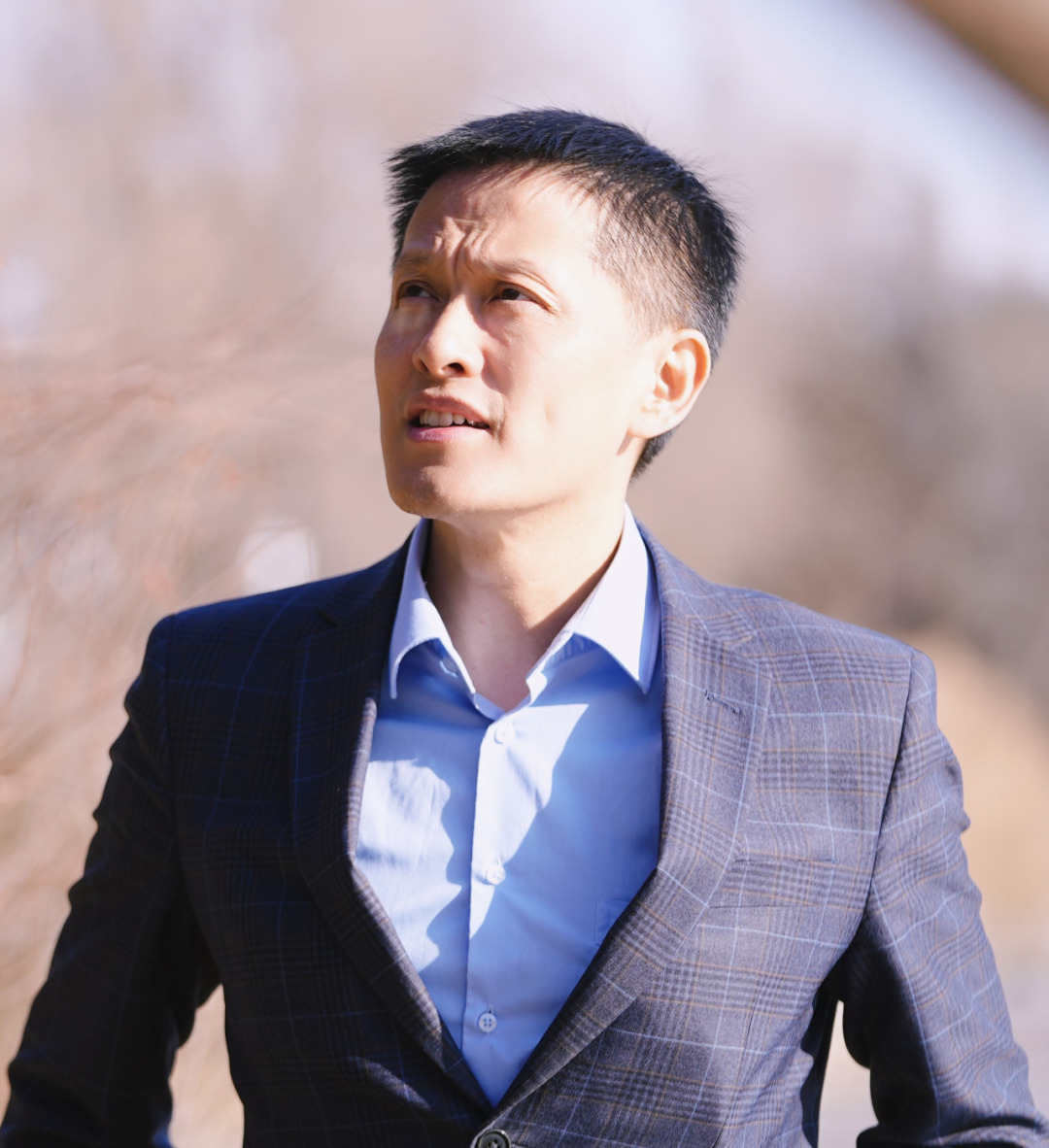
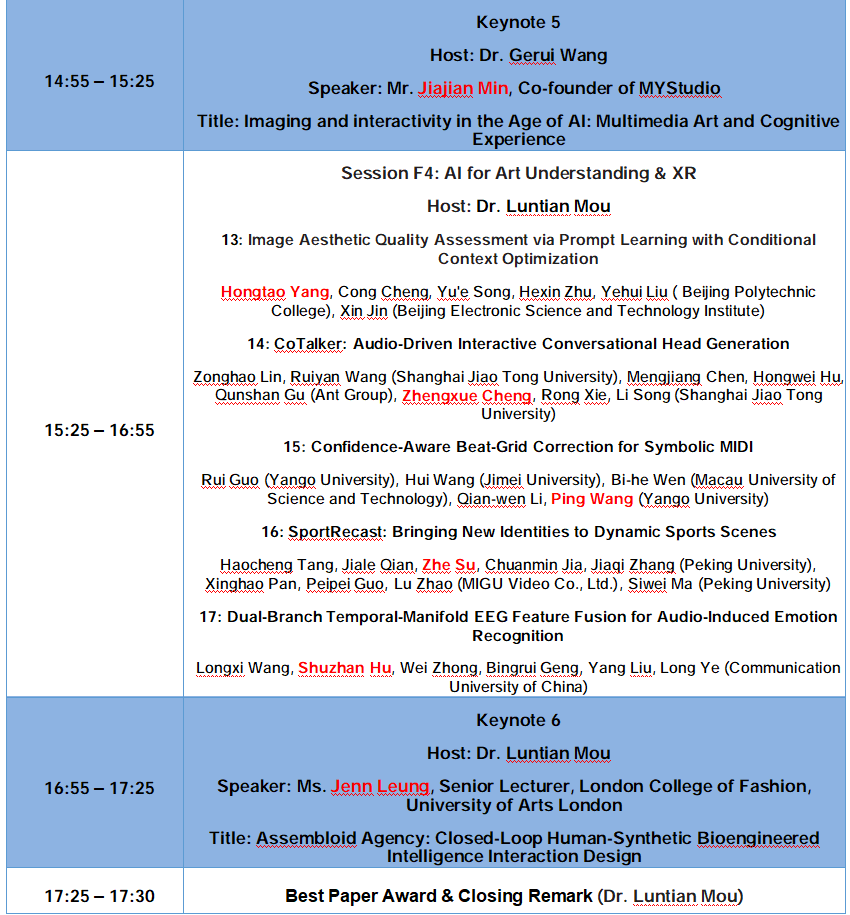
Speaker: Yong Xiang
Title: Aesthetics Intelligence-based Decoding, Activation and Utilization of Human Memeplex: from China's Practice
Time: 9:40 – 10:10, July 9, 2026
Abstract:
This keynote speech centers on the core concept of "aesthetic intelligence", exploring how to decode, activate and utilize human memes(cultural genes), with a focus on sharing China's innovative practices in relevant fields. The "Luoshen Project", hosted by the Institute of Cultural Industries at Peking University, aims to build core infrastructure supporting the digital development of Chinese culture. Its key achievement, the "Chinese Aestheme Project", systematically sorts out and digitally analyzes core traits of Chinese aesthetics such as "the interdependence of the virtual and the real" and "vital spirit and rhythmic vitality", classifying them into nine major meme categories.
The "Luoshen Fu AI Creator", developed based on this project embodies the deep integration of culture and technology. It has evolved from a text-to-text tool in Version 1.0 into a multimodal intelligent agent with text-to-image and text-to-video capabilities. By training on a specialized dataset of traditional Chinese paintings and calligraphy works and applying advanced fine-tuning techniques, this tool strives to reproduce the unique "spiritual charm" and "artistic conception" of traditional Chinese art in digital generation, rather than merely imitating forms.
This series of practices explores a new paradigm for the activation of cultural heritage in the AI era. It not only serves academic research and the cultural industry by lowering the threshold for creating "China-chic" content, but also has a deeper goal: to infuse intelligent agents with Chinese aesthetic wisdom, inherit and promote the spirit of Eastern aesthetics in the digital civilization era, and offer a reference for Thailand and other countries in implementing cultural digital and intelligent engineering.
Biography:
Dr. Yong Xiang is a Professor of the School of Arts at Peking University (SAPKU) and Dean of the Institute for Cultural Industries at Peking University (ICIPKU), where he is leader of Cultural Economics and Creative Management Project. His academic interest is focusing on cultural & creative industries, management of the art, culture and creativity. He has visited some universities in USA, UK, Italy, Australia, Japan, South Korea in these years. He was Academic Visitor, Judge Business School, the University of Cambridge (2010-2011),and visiting scholar at Faculty of Economics Marco Biagi, University of Modena, Reggio Emilia(Otc.2010), Italy. He was Honorary Visiting Professor of Business School at London Metropolitan University from 2010 to 2013, Guest Professor to The Chinese University of Hong Kong in 2019.He is a senior cultural and creative industries (CCIs) consultant to the governments, companies and institutions in China and UNCTAD. He was awarded one of the Top 10 Excellent Scholars of CCI in China in 2012. He is co-editors of China Cultural and Creative Industries Reports 2013, which is published by Springer and is a joint founder of the International Association of Culture and Creative Industries (London, HongKong), Member of the Advisory Committee of the International Center for Creativity and Sustainable Development under the auspices of UNESCO Since 2019. He is UNESCO Chairholder on Creativity and Sustainable Development in Rural Areas Since 2024.
Keynote 2:

Speaker: Luna Gao
Title: Miora: An Agent-Powered Creative Studio
Time: 10:35 – 11:05, July 9, 2026
Abstract:
This session will present Miora, an AI-native creative design platform from Tencent CSIG. As an agent-powered creative studio, Miora interprets user intent, makes decisions, and calls the right tools — turning conversational briefs into multimodal assets such as Markdown docs, images, videos, 3D models, and UI, across the full path from brief to finished work. Its Agent Memory retains each user's aesthetics, methodology, and project context to keep outputs consistent over time, while an open Skills ecosystem lets workflows be saved, reused, and shared. The session will explore Miora's product interaction logic and agent workflow, and how it streamlines the design process and supports creators.
Biography:
Luna Gao is an AI Product Expert at Tencent CSIG (Cloud and Smart Industries Group), focusing on AI-native creative tools and agent-driven design products.
Keynote 3:
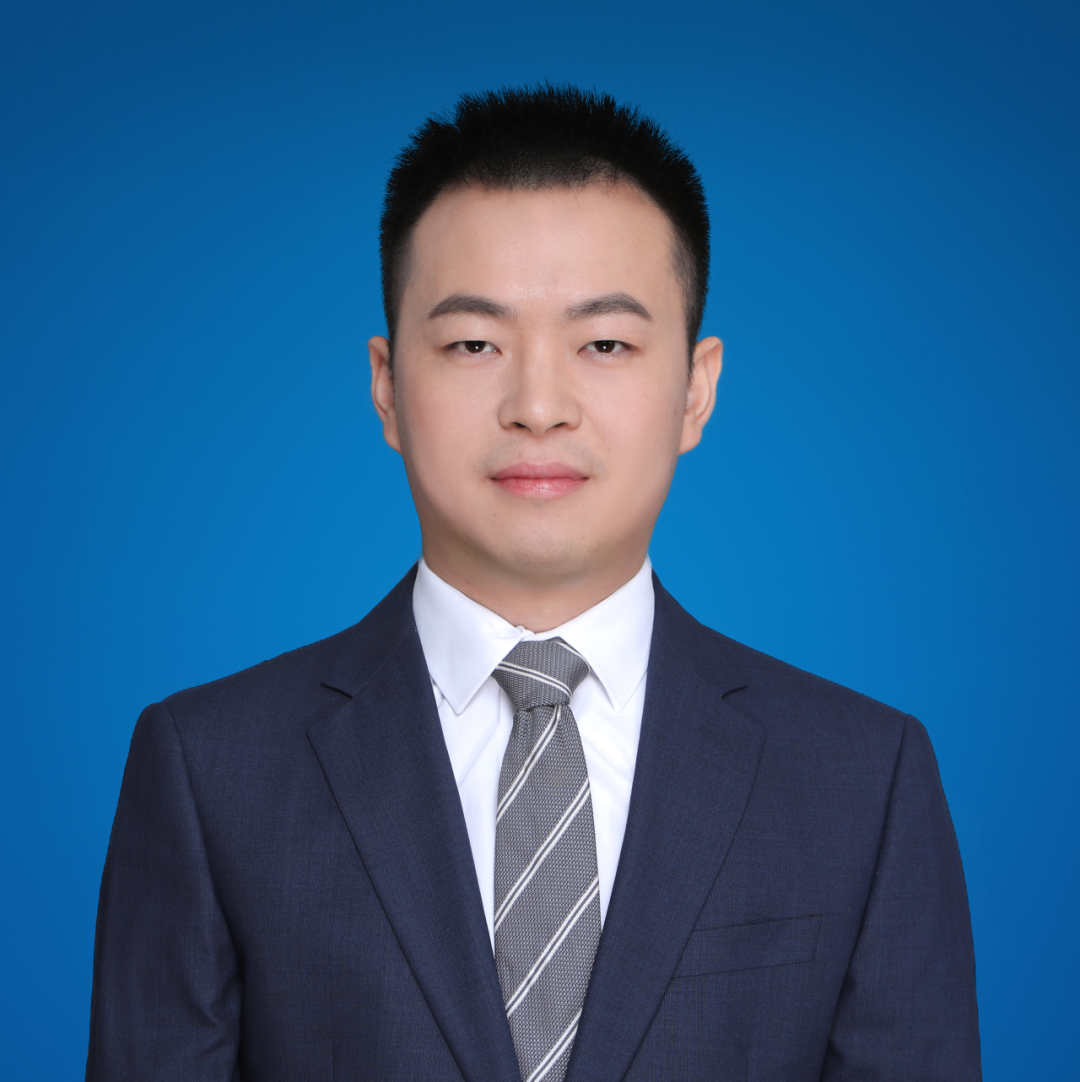
Speaker: Mang Ye
Title: From Guesswork to Empathy: Unlocking Emotional Insight in Multimodal Al
Time: 11:40 – 12:10, July 9, 2026
Abstract:
Nowadays, Multimodal Large Language Models (MLLMs) can write essays, caption photos, and chat for hours—but they still struggle with something humans do almost automatically: sensing emotions. Our work pushes MLLMs toward stronger emotion understanding by grounding them in realistic emotion-focused evaluation, teaching them to rely on the cues that actually signal feelings (rather than superficial shortcuts), and shaping their predictions to be more careful and consistent through guided reasoning and self-checking. This helps models handle a wider range of emotion-related situations in images and videos, including subtle and socially loaded content people actually encounter online, while producing answers that are more stable, better justified, and less guessy.
Biography:
Mang Ye is a Full Professor, Head of the Department of Intelligent Science, School of Computer Science, Wuhan University. His research interests include multimodal learning and affective computing. He has published more than 100 top-tier journal/conference papers, and has been recognized as an ESI Highly Cited Researcher by Clarivate. He serves as an Area Chair for top conferences, including CVPR, ICML, ICLR, ACM MM, and ECCV, and as an Associate Editor for IEEE TIFS and IEEE TIP. He has served as PI on more than 10 scientific research projects, including grants from the National Natural Science Foundation of China (NSFC) and the National Key R&D Program of China. His awards include the CSIG Science and Technology Award (2025), the Wu Wenjun Artificial Intelligence Science and Technology Award (2025), and the ACM China-Wuhan Rising Star Award (2023).
Keynote 4:
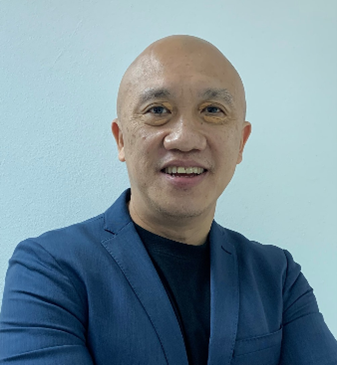
Speaker: Jirapun Daengdej
Title: From Case-Based Reasoning to Case-Based Creativity: A Conceptual Framework for Multimodal Agents
Time: 14:00 – 14:30, July 9, 2026
Abstract:
While multimodal generative models offer immense expressive potential, they often function as "black boxes" lacking a mechanism to leverage structured precedents. We propose a conceptual framework for Case-Based Creativity (CBC), which utilizes a hybrid symbolic–neural architecture to bridge the gap between generative intuition and logical intent. This approach adapts foundational principles of Case-Based Reasoning (CBR) to create a memory-driven system where a symbolic layer retrieves and adapts "artistic cases"—comprising past design patterns and constraints—to guide a neural synthesis layer. By discussing modeled outputs that reflect this hybrid logic, we illustrate how agents might maintain semantic persistence and intentionality by grounding expressive neural generation within a structured symbolic context. We argue that the integration of CBR and generative AI offers a compelling conceptual direction for next-generation systems that prioritize adaptation and human–AI collaboration.
Biography:
Dr. Jirapun Daengdej is a Professor at the Graduate School of Business and Advanced Technology Management (GS-BATM), Assumption University. He is also the Founder and Chief Technology Officer of Innocop, a company specializing in designing and developing AI solutions for the financial and energy sectors. He holds a Ph.D. in Computer Science from the University of New England, Australia, where he developed one of the world’s largest Case-Based Reasoning (CBR) systems for the insurance industry. A recipient of two IBM Faculty Awards for his contributions to real-world software engineering, he previously served as an Executive Technical Advisor to global organizations. Over a period of more than 15 years, he worked on software tools used by companies such as Boeing, Rolls-Royce, and leading automotive manufacturers. His work focuses on integrating symbolic reasoning with practical AI architectures to address complex industrial challenges.
Keynote 5:
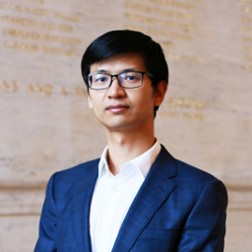
Speaker: Jiajian Min
Title: Imaging and interactivity in the Age of AI: Multimedia Art and Cognitive Experience
Time: 14:55 – 15:25, July 9, 2026
Abstract:
This talk explores how artificial intelligence is reshaping image-making, interactivity, and theatrical expression in the contemporary media landscape. Focusing on generative AI, immersive environments, and interactive systems, it examines how cross-media practices are redefining visual production, character construction, and spatial storytelling. Through selected case studies from MYStudio, the talk connects technological experimentation with artistic practice, showing how AI can function not only as a tool, but also as a collaborator in creative processes. It further reflects on emerging aesthetic languages and cognitive experiences, proposing new directions for film, performance, installation, and hybrid media in the age of intelligent systems.
Biography:
Jiajian Min is an award-winning new media artist, curator, researcher, educator and creative entrepreneur. He is the Co-founder of MYStudio, a collaborative researcher and guest lecturer affiliated with Harvard University and MIT, and an alumni mentor at Yale University. He serves as Chair of the MIT AI Film Hack and Festival, Committee Member and Jury of the Seattle AI Film Festival, and Ambassador of the World AI Film Festival. He is also a cofounder of the Harvard XR Conference, member of NEW INC in New York. He was selected as one of the Forbes China Top 100 Most Influential Chinese (2023).
His work spans AI-generated film, spatial interactive installations, extended reality experiences and multimedia performance. His works have received multiple international awards, including the Arte Laguna Prize, ACM Multimedia Best Interactive Art Award, Lumen Prize. His works have been exhibited at the Venice Architecture Biennale, Ars Electronica Art Gallery, ACM SIGGRAPH Asia Art Gallery, CVPR AI Art Gallery, Festival Arts Design Acerenza (Italy), China Digital Art Exhibition, Chengdu Biennale, Asian Digital Art Exhibition, Beijing Media Art Biennale, Chinagraph, ChineseCHI, among others. His research outcomes have been published in ACM SIGGRAPH Asia, CVPR, and the IEEE AIART Workshop.
He has served as a guest lecturer at Tsinghua University, Central Academy of Fine Arts, the China Academy of Art, and the Communication University of China. He has also delivered lectures at leading institutions and festivals including Harvard, MIT, Yale, Brown University, Rhode Island School of Design, University of Chicago, SXSW, Cinequest Film Festival and more.
Keynote 6:
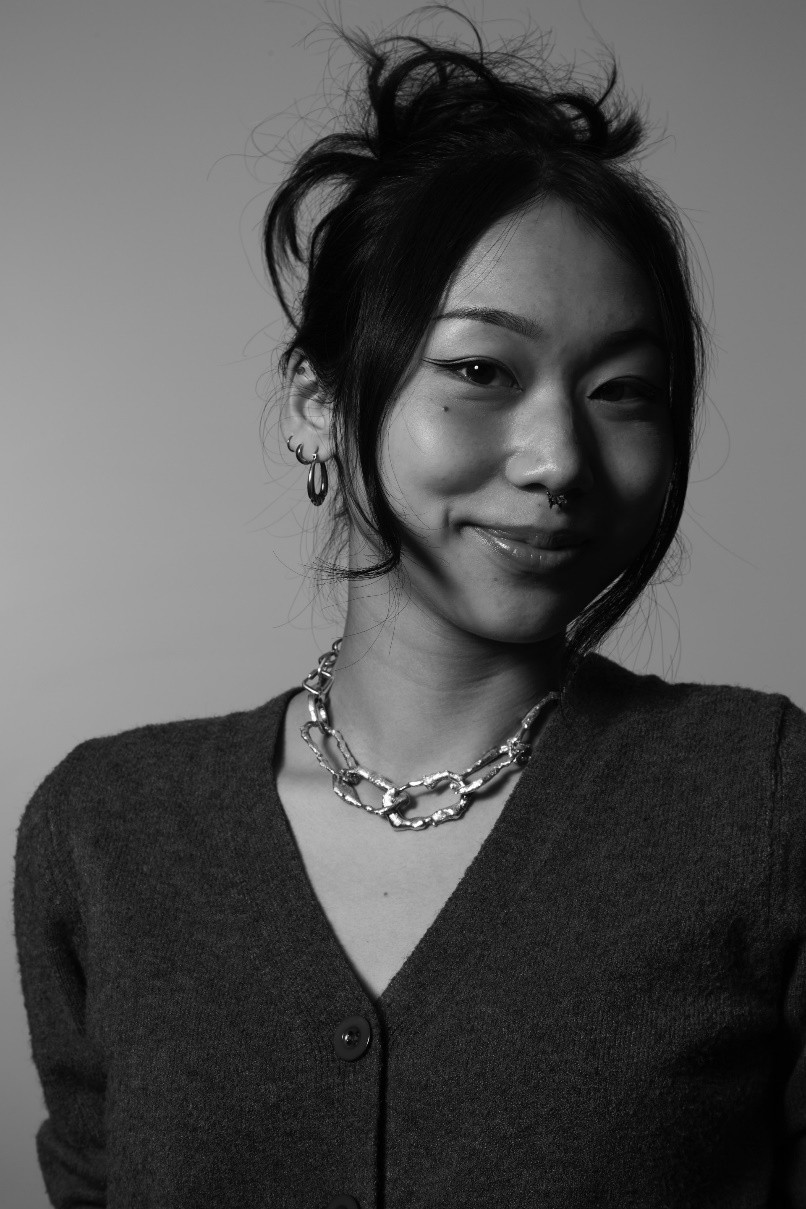
Speaker: Jenn Leung
Title: Assembloid Agency: Closed-Loop Human-Synthetic Bioengineered Intelligence Interaction Design
Time: 16:55 – 17:25, July 9, 2026
Abstract:
Assembloid Agency uses world's first code-deployable biocomputer CL1 to design a form of hybrid agency in human-bioengineered intelligence interaction. Living neurons, Microelectrode Arrays, and microfluidics scaffold to become an intelligent system that synthesizes human movement into crowd simulations, particle systems, biological music signatures, and more. This kind of AI uses living neurons as the computational substrate.
Among a series of expansive creative technology experiments and experimental research/response visualizations, 'Closed-Loop Connections' is a real-time feedback system between human bodies and a living network of cultured neurons housed inside a CL1 biocomputer at Cortical Labs. A camera continuously observes the exhibition space. Using TouchDesigner, participants’ movements are abstracted into anonymous blob tracking data. These movement patterns are translated into custom stimulation patterns that are sent to the CL1. Electrical signals stimulate specific electrodes on a high-density MEA, interfacing directly with living neurons. These stimulations can be shaped into a pattern to represent any type of information, from game worlds to handwritten digits. In response to the movement data, the neurons produce spiking activity as they process and adapt to these inputs. The CL1 streams this raw neural activity data in real time via UDP (User Datagram Protocol) to Unreal Engine as generative source of a visual narrative. 'Actual Intelligence' was a performance where the CL1 was connected to a Commodore 64 to generate real-time music signatures from neuronal activity as a biological audio synthesizer. Closed-loop connections occur between humans in the space and the living neurons interfaced within CL1, both functioning simultaneously as subjects in a living computational ecology.
Biography:
Jenn Leung is a creative technologist and simulation developer building game engine simulations and real-time streaming tools. Currently her research focuses on developing UE interfaces for living neurons and agent behaviour simulation, with two papers recently published in the MIT Antikythera Journal and a paper on UE-API for brain-on-a-chip platforms presented at NeurIPS 2025.
She is a Senior Lecturer in Creative Technology & Design at University of the Arts London, a researcher at LifeFabs Institute, and a Visiting Researcher at The Bartlett School of Architecture, UCL, working on the 100 Minds in Motion project combining EEG, eye-tracking, and movement data in an agent simulation. She was previously a studio researcher at Antikythera's Cognitive Infrastructures Studio in 2024, supported by the Berggruen Institute. Since 2025 she has been collaborating with the biocomputing start-up Cortical Labs to create human-synthetic biological intelligence visualizations.
She was a core member of Off World Live, an engineering and research group for Unreal Engine creators, and previously served as a Programme Head at Architectural Association VS Unit 5 Xalon. Her work has been exhibited at Epic Games Innovation Lab, Ars Electronica, Medialab Matadero, W1 Curates, Tai Kwun Hong Kong, National Communication Museum (Australia), CIVA Festival, DAE Research Festival, PAF Olomouc, ALife Conference Kyoto, Aksioma, and Museum of Art in Public Spaces (Køge) among others, and was featured on Dazed, TANK Magazine, DIS, SHOWStudio, Art Asia Pacific, COEVAL Magazine, and AQNB.
In collaboration with Daniel Felstead, she has produced a short film series ‘I’m so Janky’ from DIS that explore the myths, ideologies and realities of the metaverse, AI, and Neuralink. She also collaborates with dmstfctn on simulation projects for Serpentine Arts Technologies and the Leonardo Supercomputer at Bologna’s Tecnopolo.
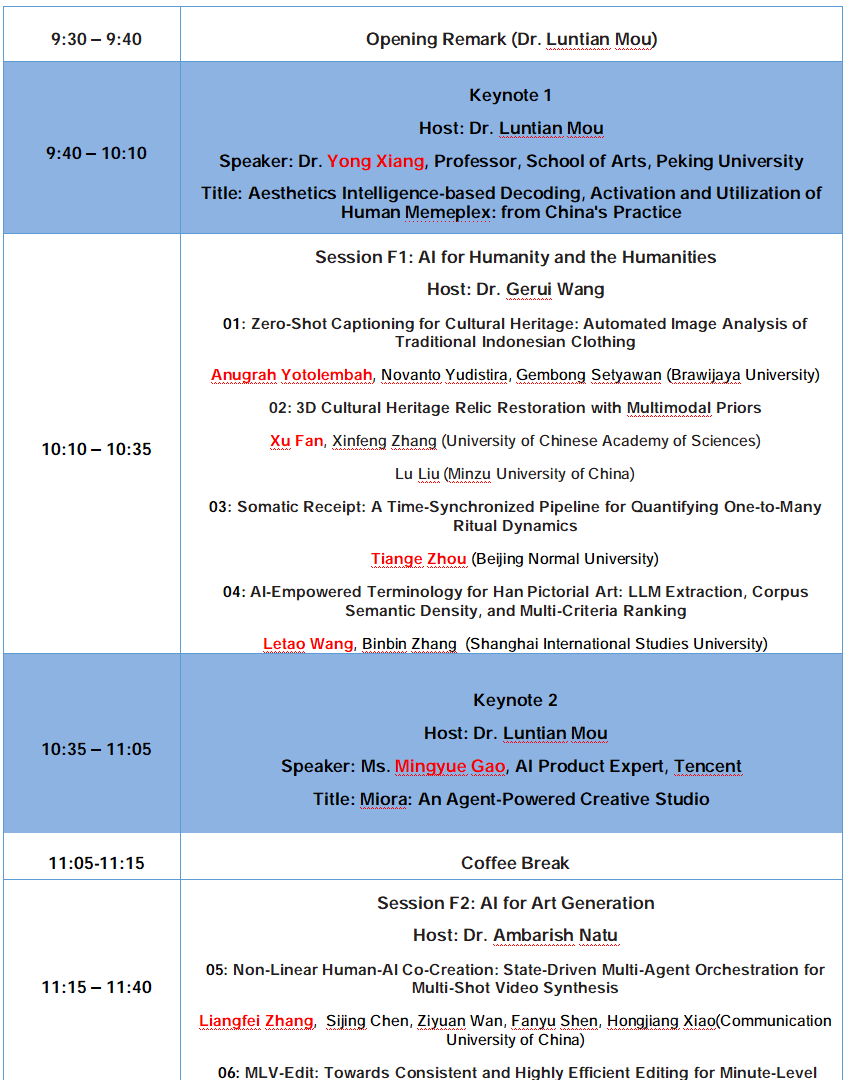
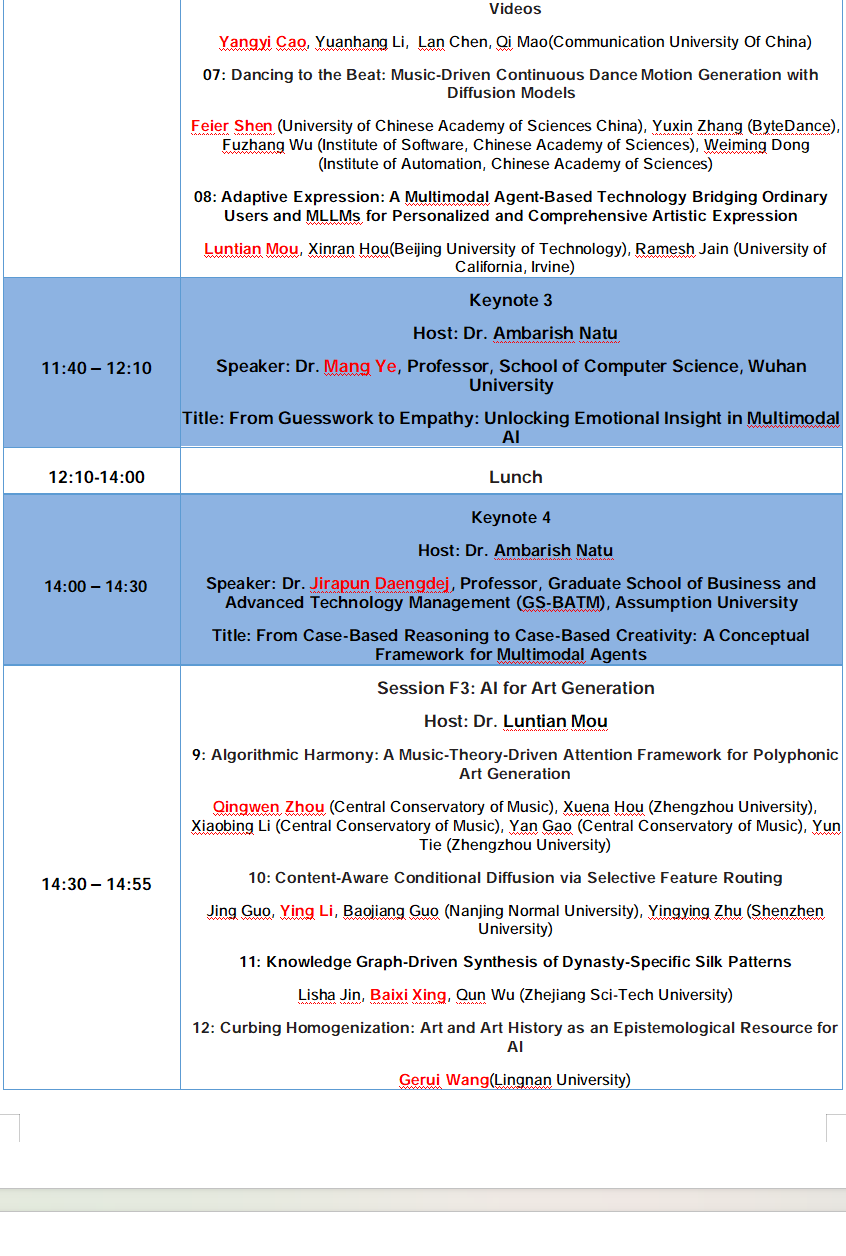
Program
Time: 9:30am – 5:00pm, July 9, 2026, UTC+7
Location: Thai Chakkraphat 2, Bangkok Marriott Marquis Queen’s Park, Bangkok, Thailand
TPC
Alan Chamberlain, University of Nottingham, Nottingham
Alexander Lerch, Georgia Institute of Technology, USA
Alexander Pantelyat, Johns Hopkins University, USA
Bahareh Nakisa, Deakin University, Australia
Baoqiang Han, China Conservatory of Music, China
Baoyang Chen, Central Academy of Fine Arts, China
Beici Liang, Tencent Music Enterainment Group, China
Bing Li, King Abdullah University of Science and Technology, Saudi Arabia
Björn W. Schuller, Imperial College London, UK
Bob Sturm, KTH Royal Institute of Technology, Sweden
Borou Yu, Harvard University, USA
Carlos Castellanos, Rochester Institute of Technology, USA
Changsheng Xu, Institute of Automation, Chinese Academy of Sciences, China
Dongmei Jiang, Northwestern Polytechnical University, China
Emma Young, BBC, UK
Gerui Wang, Stanford University, USA
Gus Xia, New York University Shanghai, China & Mohamed bin Zayed University of Artificial Intelligence, United Arab Emirates
Haifeng Li, Harbin Institute of Technology, China
Haipeng Mi, Tsinghua University, China
Hongxun Yao, Harbin Institute of Technology, China
Jesse Engel, Google, USA
Jia Jia, Tsinghua University, China
Jiajian Min, Harvard University, USA
Jianyu Fan, Microsoft, Canada
Jing Wang, Beijing Institute of Technology, China
John See, Multimedia University, Malaysia
Juan Huang, Johns Hopkins University, USA
Junping Zhang, Fudan University, China
Kejun Zhang, Zhejiang University, China
Ke Lv, University of Chinese Academy of Sciences, China
Kenneth Fields, Central Conservatory of Music, China
Lai-Kuan Wong, Multimedia University, Malaysia
Lamtharn Hanoi Hantrakul, ByteDance, USA
Lei Xie, Northwestern Polytechnical University, China
Li Zhou, China University of Geosciences (Wuhan), China
Lin Gan, Tianjin University, China
Long Ye, China University of Communication, China
Maosong Sun, Tsinghua University, China
Mei Han, Ping An Technology Art institute, USA
Mengjie Qi, China Conservatory of Music, China
Ming Zhang, Nanjing Art College, China
Mohammad Naim Rastgoo, Queensland University of Technology, Australia
Na Qi, Beijing University of Technology, China
Nick Bryan-Kinns, Queen Mary University of London, UK
Nina Kraus, Northwestern University, USA
Pengtao Xie, University of California, San Diego, USA
Philippe Pasquier, Simon Fraser University, Canada
Qin Jin, Renmin University, China
Qiuqiang Kong, ByteDance, China
Rebecca Fiebrink, University of London, UK
Rick Taube, University of Illinois at Urbana-Champaign, USA
Roger Dannenberg, Carnegie Mellon University, USA
Rongfeng Li, Beijing University of Posts and Telecommunications, China
Rui Wang, Institute of Information Engineering, Chinese Academy of Sciences, China
Ruihua Song, Renmin University, China
Shangfei Wang, University of Science and Technology of China, China
Shasha Mao, Xidian University, China
Shiguang Shan, Institute of Computing Technology, Chinese Academy of Sciences, China
Shiqi Wang, City University of Hong Kong, China
Shun Kuremoto, Uchida Yoko Co.,Ltd, Japan
Si Liu, Beihang University, China
Simon Lui, Huawei Technologies Co., Ltd, China
Tiange Zhou, NetEase Cloud Music, China
Weibei Dou, Tsinghua University, China
Weiming Dong, Institute of Automation, Chinese Academy of Sciences, China
Wei-Ta Chu, National Chung Cheng University, Taiwan, China
Wei Li, Fudan University, China
Weiwei Zhang, Dalian Maritime University, China
Wei Zhong, Communication University of China, China
Wen-Huang Cheng, National Chiao Tung University, Taiwan, China
Wenli Zhang, Beijing University of Technology, China
Xi Shao, Nanjing University of Posts and Telecommunications, China
Xiaojing Liang, NetEase Cloud Music, China
Xiaopeng Hong, Harbin Institute of Technology, China
Xiaoyan Sun, University of Science and Technology of China, China
Xiaoying Zhang, China Rehabilitation Research Center, China
Xihong Wu, Peking University, China
Xinfeng Zhang, University of Chinese Academy of Sciences, China
Xu Tan, Microsoft Research Asia, China
Yanchao Bi, Beijing Normal University, China
Yi Qin, Shanghai Conservatory of Music, China
Ying-Qing Xu, Tsinghua University, China
Yirui Wu, Hohai University, China
Yuanchun Xu, Xiaoice, China
Zhiyao Duan, University of Rochester, USA
Organizing Committee
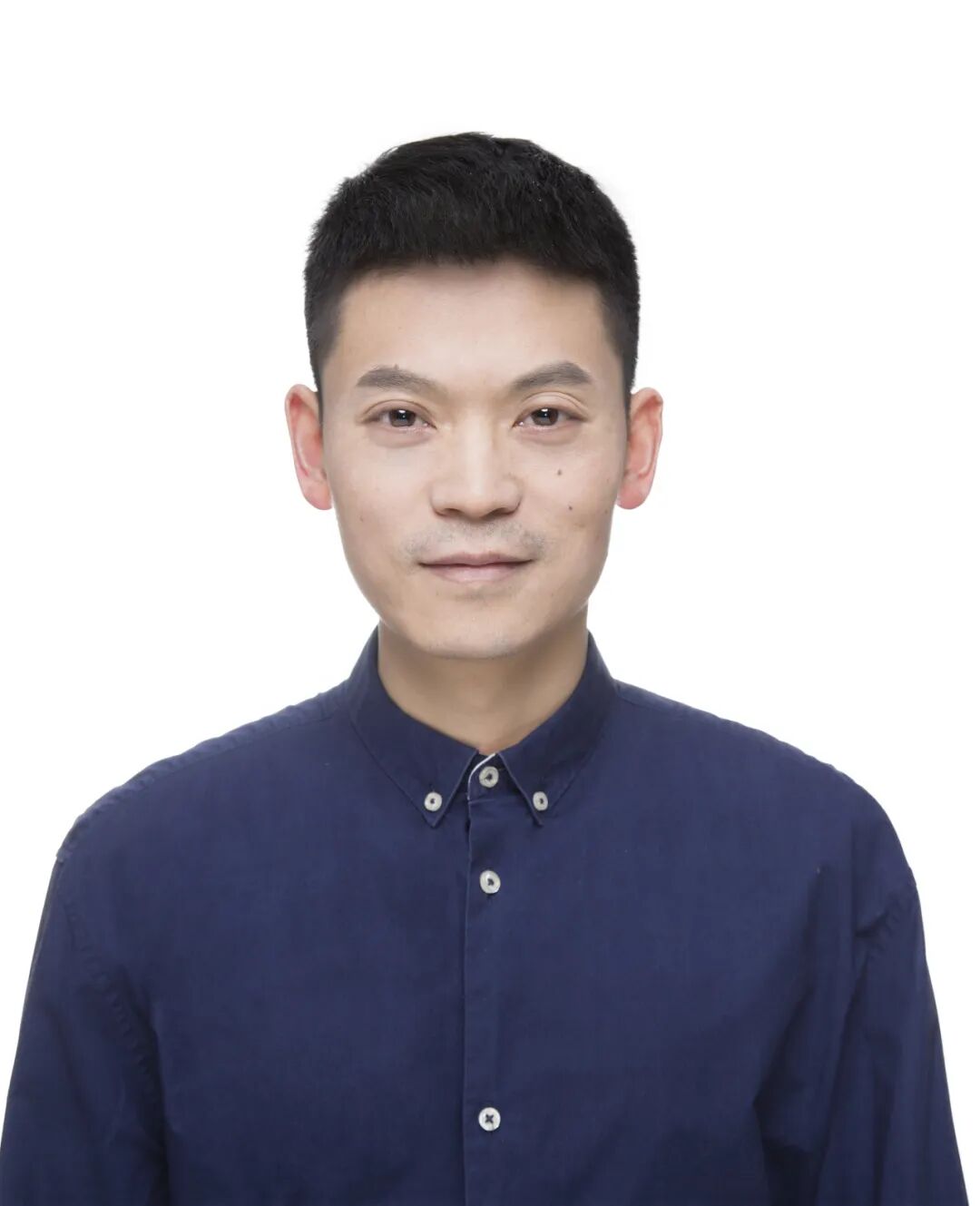
Luntian Mou
Beijing University of Technology
Beijing, China
ltmou@bjut.edu.cn
Dr. Luntian Mou is an Associate Professor with the School of Artificial Intelligence, Beijing Institute of Artificial Intelligence (BIAI), Beijing University of Technology. He received the Ph.D. degree in computer science from the University of Chinese Academy of Sciences, China in 2012. He served as a Postdoctoral Fellow at Peking University, from 2012 to 2014. And he was a Visiting Scholar with the University of California, Irvine, from 2019 to 2020. He initiated the IEEE Workshop on Artificial Intelligence for Art Creation (AIART) in 2019, and has organized the workshop annually ever since. His current research interests include artificial intelligence, machine learning, multimedia computing, affective computing, and brain-like computing. He is the recipient of Beijing Municipal Science and Technology Advancement Award, IEEE Outstanding Contribution to Standardization Award, and AVS Outstanding Contribution on 15th Anniversary Award. He serves as a guest editor for Machine Intelligence Research, and a reviewer for many important international journals and conferences such as TIP, TAFFC, TCSVT, TITS, AAAI, etc. And he serves as a Co-Chair of System subgroup in AVS workgroup. He is a Senior Member of IEEE and CCF, and a Member of ACM, CAAI, and CSIG, and an Expert of MPEG China.
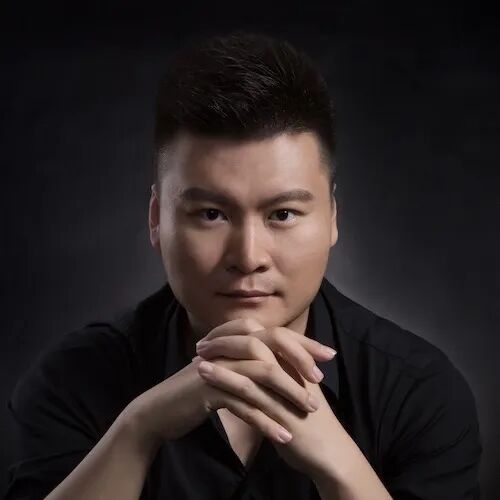
Feng Gao
Peking University
Beijing, China
gaof@pku.edu.cn
Dr. Feng Gao is an Assistant Professor with the School of Arts, Peking University. He has long researched in the disciplinary fields of AI and art, especially in AI painting. He co-initiated the international workshop of AIART. Currently, he is also enthusiastic in virtual human. He has demonstrated his AI painting system, called Daozi, in several workshops and drawn much attention.
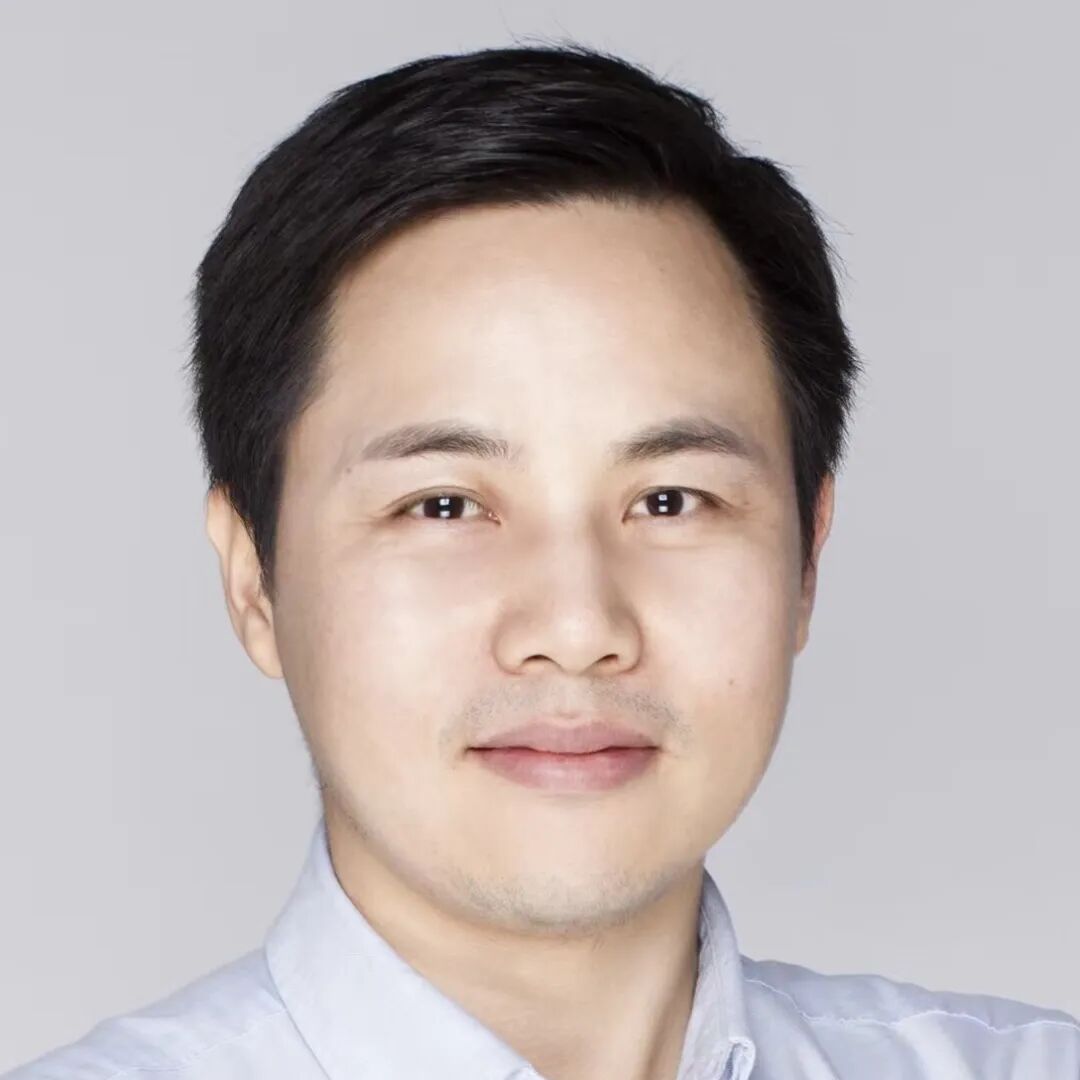
Kejun Zhang
Zhejiang University
Hangzhou, China
zhangkejun@zju.edu.cn
Dr. Kejun Zhang is a Professor with Zhejiang University, joint PhD supervisor on Design and Computer Science, Dean of Department of Industrial Design at College of Computer Science of Zhejiang University. He received his PhD degree from College of Computer Science and Technology, Zhejiang University in 2010. From 2008 to 2009, He was a visiting research scholar of University of Illinois at Urbana-Champaign, USA. In June 2013, he became a faculty of the College of Computer Science and Technology at Zhejiang University. His current research interests include Affective Computing, Design Science, Artificial Intelligence, Multimedia Computing and the understanding, modelling and innovation design of products and social management by computational means. He is now the PI of National Science Foundation of China, Co-PI of National Key Research and Development Program of China, and PIs of ten more other research programs. He has authored 4 books, more than 40 scientific papers.
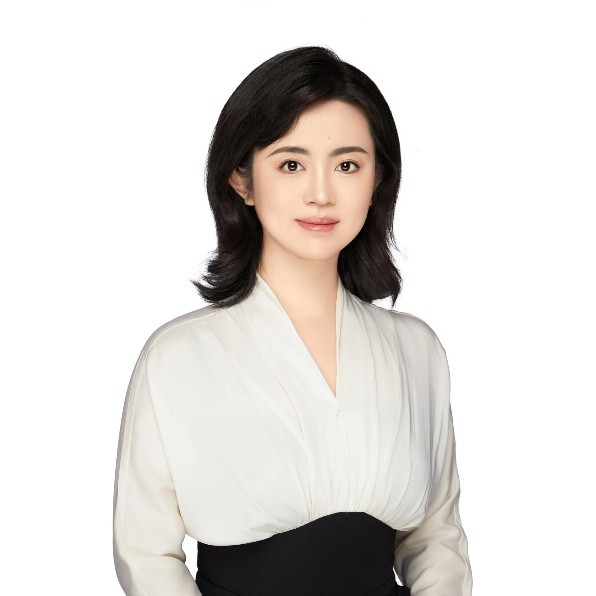
Haonan Cheng
Communication University of China, Beijing, China
haonancheng@cuc.edu.cn
Dr. Haonan Cheng is a Professor with the State Key Laboratory of Media Convergence and Communication, Communication University of China, mainly focuses on audio information processing, audio-visual cross modal generation and forgery detection. She became the first technical expert in China to be awarded the Asia-Pacific Young Engineer Prize by ABU in 2024, and was selected for the Beijing National Governance and Young Talent Cultivation Program in 2025. In recent years, she has published more than 50 SCI/EI papers in IEEE TOG, TIFS, TASLP, SIGGRAPH, IEEE VR, IJCAI, AAAI, ACM MM, etc. She has been authorized 2 national invention patents, and won the Excellent Paper Award in the 5th CSIG China Media Forensics and Security Conference, and Best Poster Paper Award in the 20th International Forum on Digital Multimedia Communications. She was funded by more than 10 projects, including National Natural Science Foundation of China, National Key R&D Program, National Social Science Foundation of China, and Medium and Long-term Science and Technology Program for Radio, Television and Audiovisual Network, etc. She serves as a member of the Multimedia Specialized Committee of the Chinese Society of Image and Graphics, the Program Chair of the International Forum on Digital Multimedia Communications, the Forum Chair of the China Multimedia Conference, and the Session Chair of ACM MM and other international conferences.
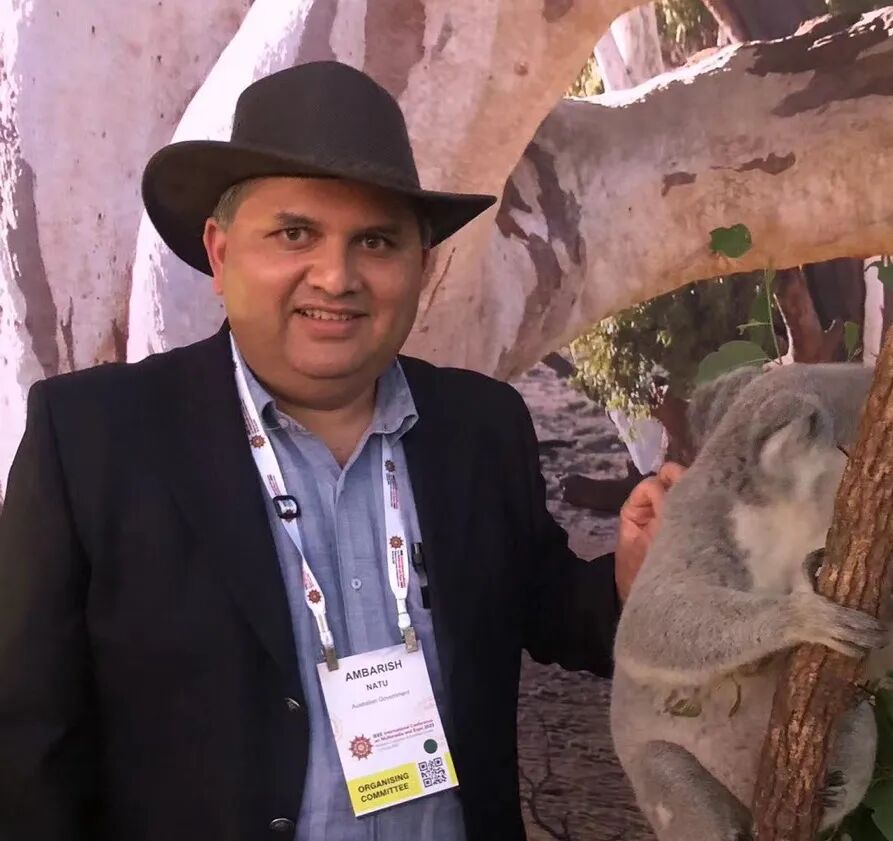
Ambarish Natu
Australian Government
Australian Capital Territory, Australia
ambarish.natu@gmail.com
Dr. Ambarish Natu is with the Australian Government. After graduating from University of New South Wales, Sydney, Ambarish has held positions as a visiting researcher in Italy and Taiwan, worked for industry in United Kingdom and the United States of America and for the past ten years has been working in the Australian Government. For the past 17 years, Ambarish has led the development of five international standards under the auspices of the International Standards Organization (ISO) popularly known as JPEG (Joint Photographic Experts Group). He is the recipient of the ISO/IEC certificate for contributions to technology standards. Ambarish is highly active in the area of international standardization and voicing Australian concerns in the area of JPEG and MPEG (Motion Pictures Experts Group) standardization. He previously initiated an effort in the area of standardization relating to Privacy and Security in the Multimedia Context both within JPEG and MPEG standard bodies. In 2015, Ambarish was the recipient of the prestigious Neville Thiele Award and the Canberra Professional Engineer of the Year by Engineers Australia. Ambarish currently works as an ICT Specialist for the Australian Government. Ambarish is a Fellow of the Australian Computer Society and Engineers Australia. Ambarish also serves on the IVMSP TC and the Autonomous Systems Initiative of the IEEE Signal Processing Society. Ambarish has also been General Chair of DICTA 2018, ICME 2023 and TENSYMP 2023 in the past. Ambarish has keen interest in next generation data and analytics technologies that will change the course of the way we interact with in the world.
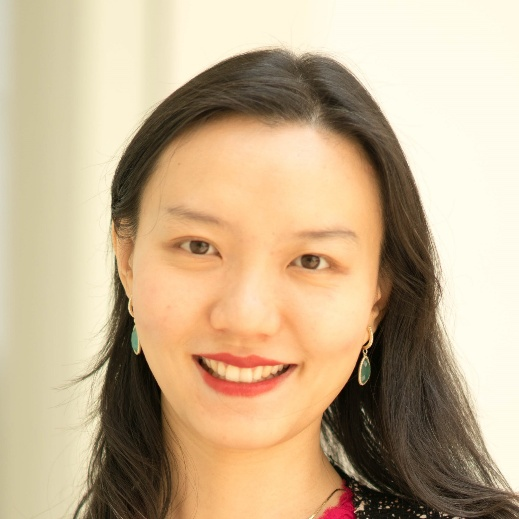
Gerui Wang
Lingnan University
California, USA
geruiwang@ln.edu.hk
Gerui Wang is an Assistant Professor in the Department of Digital Arts and Creative Industries at Lingnan University, Hong Kong. She studies media, art, and AI, as well as the intersection of digital arts and ecology. She has published in AsiaScape: Digital Asia, Journal of Visual Art Practice, and Journal of Chinese History. She leads a digital humanities project: Storytelling with AI, archived by Stanford University Libraries. Her research briefs on AI and society have been translated into French, Spanish, Chinese, and Japanese. Her first book, Sustaining Landscapes: Governance and Ecology in Chinese Visual Culture (Hong Kong University Press, 2025), has received publication grants from the Chiang Ching-kuo Foundation. Her research has been supported by the Software Sustainability Institute, Mellon Foundation, and Freer Fellowships, among others.
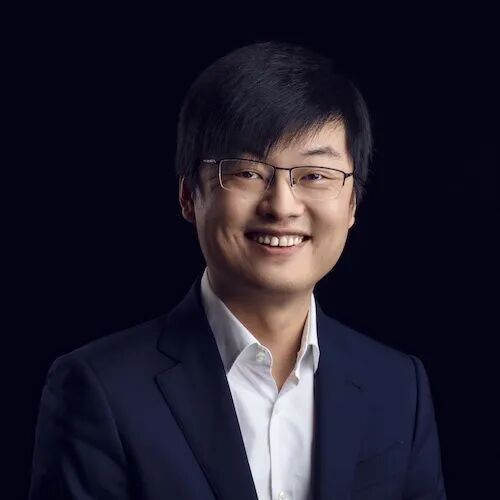
Ling Fan
Tongji University Design Artificial Intelligence Lab
Shanghai, China
lfan@tongji.edu.cn
Dr. Ling Fan is a Scholar and Entrepreneur to bridge machine intelligence with creativity. He is the founding chair and professor of Tongji University Design Artificial Intelligence Lab. Before, he held teaching position at the University of California at Berkeley and China Central Academy of Fine Arts. Dr. Fan co-founded Tezign.com, a leading technology start-up with the mission to build digital infrastructure for creative contents. Tezign is backed by top VCs like Sequoia Capital and Hearst Ventures. Dr. Fan is a World Economic Forum Young Global Leader, an Aspen Institute China Fellow, and Youth Committee member at the Future Forum. He is also a member of IEEE Global Council for Extended Intelligence. Dr. Fan received his doctoral degree from Harvard University and master's degree from Princeton University. He recently published From Universality of Computation to the Universality of Imagination, a book on how machine intelligence would influence human creativity.

Terence Broad
University of the Arts London, London, The United Kingdom
t.broad@arts.ac.uk
Dr. Terence Broad is an Artist and Researcher working in London. He is a Senior Lecturer at the UAL Creative Computing Institute and has recently completed a PhD at Goldsmiths in generative AI. His art and research have been presented internationally: at conferences and journals such as SIGGRAPH, Leonardo, NeurIPS, and ICCC; and museums such as The Whitney Museum of American Art, Garage Museum of Contemporary Art, Ars Electronica, The Barbican and The Whitechapel Gallery. In 2019 He won the Grand Prize in the ICCV Computer Vision Art Gallery. His work is in the city of Geneva’s contemporary art collection.
Partners
Partner1:
Machine Intelligence Research
Machine Intelligence Research (IF:8.7, JCR Q1), published by Springer, and sponsored by Institute of Automation, Chinese Academy of Sciences, is formally released in 2022. The journal publishes high-quality papers on original theoretical and experimental research in artificial intelligence, targets special issues on emerging topics and specific subjects, and strives to bridge the gap between theoretical research and practical applications. The journal has been indexed by ESCI, EI, Scopus, CSCD, etc.
Topics of Machine Intelligence Research include: AI Fundamentals, Brain-Inspired Intelligence, Pattern Recognition & Machine Learning, Machine Vision, Speech and Language Processing, Embodied Intelligence and Robotics, Knowledge Management & Data Mining, and Applications of Machine Intelligence.
MIR official websites
· https://www.springer.com/journal/11633
· https://www.mi-research.net
MIR Editor-in-Chief Tan Tieniu, Institute of Automation, Chinese Academy of Sciences
·Tan Tieniu, Institute of Automation, Chinese Academy of Sciences
MIR Associate Editors-in-Chief Yike Guo, Hong Kong University of Science and Technology, China Brian C. Lovell, The University of Queensland, Australia Danilo P. Mandic, Imperial College London, UK Liang Wang, Chinese Academy of Sciences, China
·Yike Guo, Hong Kong University of Science and Technology, China
·Brian C. Lovell, The University of Queensland, Australia
·Danilo P. Mandic, Imperial College London, UK
·Liang Wang, Chinese Academy of Sciences, China

Partner2:
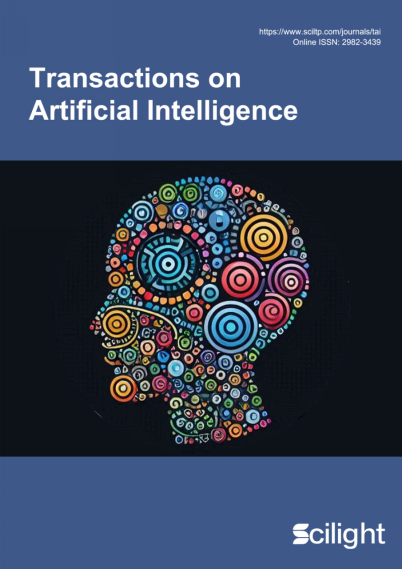
The Transactions on Artificial Intelligence
The Transactions on Artificial Intelligence (TAI) is a peer-reviewed, open-access journal dedicated to advancing trustworthy, explainable, and human-centered AI. The journal highlights emerging frontiers—including generative AI, autonomous systems, AI safety, and data-centric intelligence—while maintaining strong coverage of core AI theory and methodologies.
TAI official website
· https://www.sciltp.com/journals/tai
TAI Editor-in-Chief Prof. Dapeng Oliver Wu, City University of Hong Kong, Hong Kong
· Prof. Dapeng Oliver Wu, City University of Hong Kong, Hong Kong
Partner3:
The China Society of Image and Graphics
The China Society of Image and Graphics (CSIG), founded in 1990, is a national first-tier academic society approved by the Ministry of Civil Affairs of China and an official member of the China Association for Science and Technology.
CSIG's professional fields include digital image processing, image understanding, computer vision, image compression and transmission, stereoscopic technology, scientific computing visualization, virtual reality, multimedia technology, pattern recognition, computer graphics, medical image processing, computer animation, spatial information systems, and more.
In recent years, CSIG aims to advance the development of related fields and serve national strategic needs. It actively engages in academic exchanges, technical training, exhibitions, science popularization, policy consultation, evaluation of scientific and technological achievements, transformation of research outcomes, talent recommendation, and international cooperation. By serving as a bridge connecting scientists and engineers, CSIG has become a vital social force in promoting innovation and development in the field of image and graphics.
CSIG official website http://www.csig.org.cn/
· http://www.csig.org.cn/

Partner4:
Cultural Technology and Social Innovation Lab
LAB VISION AND MISSION: Amid accelerating global digital transformation, PKU and AU—driven by their shared commitment to advancing higher education and human civilization—have jointly launched the “Cultural Technology and Social Innovation Lab.” The establishment of this lab is rooted in the deepening comprehensive strategic partnership between China and Thailand, as well as the mutual consensus on cooperation across four key domains: Art-led Rural Development, Digital Culture and Tourism, Health and Medical Care, and AI Art. This represents not merely an academic collaboration between two universities, but a comprehensive platform with the core mission of humanistic care, technological innovation, and driving social progress.

Sponsorship-Platinum

Miora is an agentic creative studio that turns a brief into production-ready creative assets across script, storyboard, video, UI/UX, illustration, 3D and brand systems — all on one editable canvas.
Gallery
The Second AIART Gallery
July 5–8, 2026 | Bangkok, Thailand
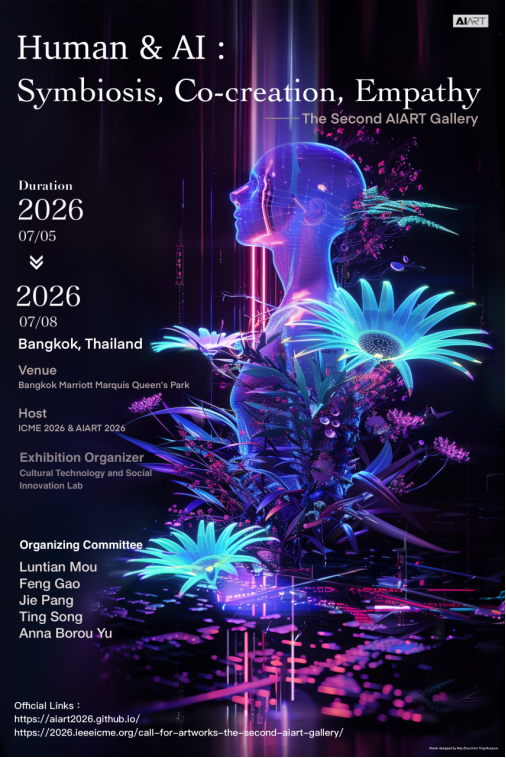
Human & AI: Symbiosis, Co-creation, Empathy
Artificial intelligence has moved beyond being a mere creative tool to become a collaborator, a generative force, and a new lens through which we examine creativity itself. With the rise of multimodal large language models, embodied agents, and real-time co-creation systems, AI-driven art is evolving at an extraordinary pace. Artists, researchers, and engineers are now exploring not only what machines can generate but also how human and machine intelligence can coexist, co-create, and perhaps even develop mutual empathy. The Second AIART Gallery builds on the success of the inaugural edition held in Nantes, France, under the theme “Intelligence Reimagined: The Convergence of Art and AI.” This year, the gallery moves to Bangkok with a new focus: “Human & AI: Symbiosis, Co-creation, Empathy,” inviting creators to reflect on the deepening partnership between human expression and artificial intelligence.
We invite AI-infused artworks that engage with the central theme of Human & AI: Symbiosis, Co-creation, Empathy. Submissions may span a range of creative practices including: generative art and algorithmic imagery; interactive installations and embodied systems; immersive environments in virtual, augmented, and mixed reality; AI-driven sound art and computational music; AI-mediated film, animation, and moving image; robotic, kinetic, or sculptural works; human–AI co-creative systems; and critical and speculative works. Submissions may take the form of generative systems, interactive installations, immersive experiences, digital performances, robotic or kinetic sculptures, or any format where artistic vision and artificial intelligence meaningfully converge.
The AIART Gallery will be a vibrant gathering space where artists, researchers, and the public can experience interactive works firsthand, exchange ideas, and shape the conversation around intelligent art. A distinguished jury will evaluate all submitted works, and the top three will receive the Best AI Artwork Award along with official certificates.
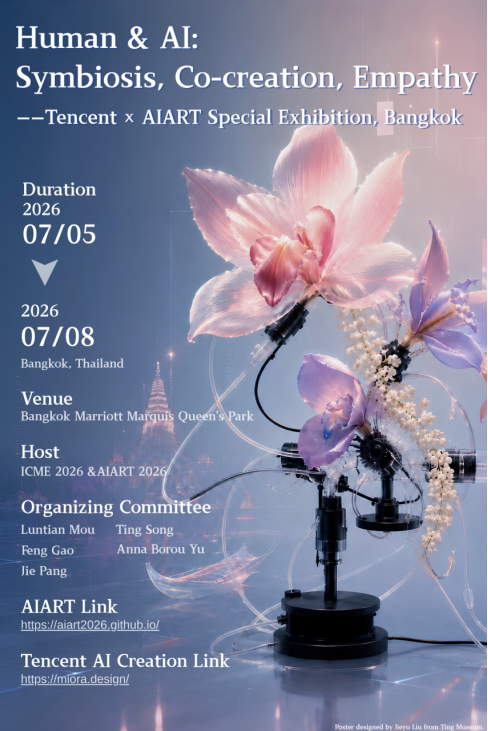
Tencent × AIART
Special Exhibition, Bangkok
Organizing Committee
Luntian Mou
Beijing University of Technology
Associate Professor
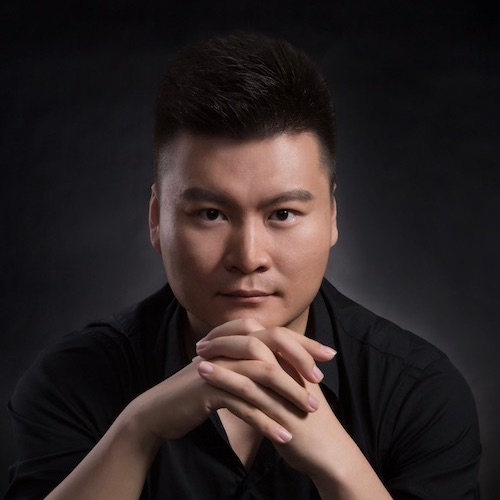
Feng Gao
Peking University
Assistant Professor
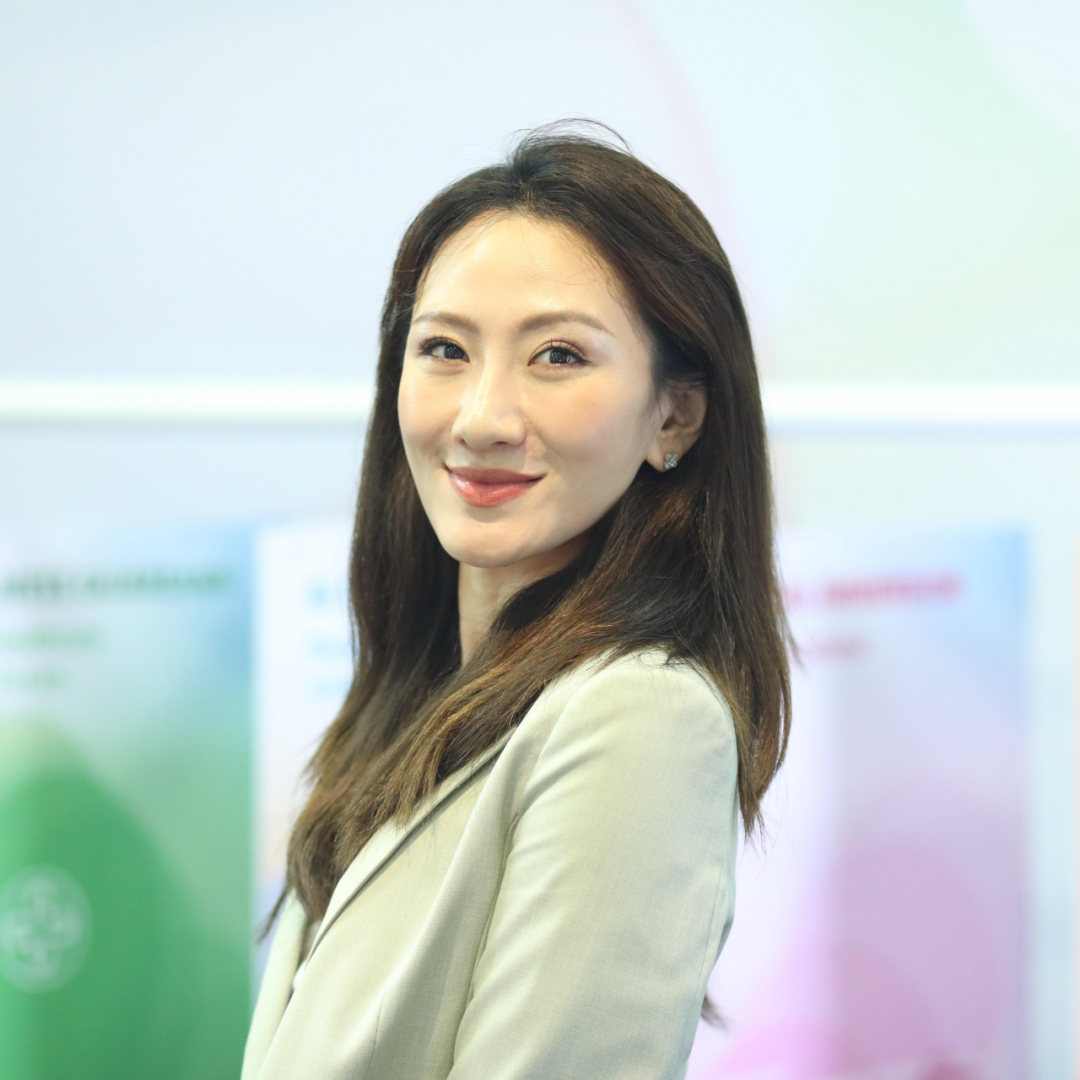
Jie Pang
Peking University
Post-doctoral Fellow at School of Arts & Institute for Cultural Industries
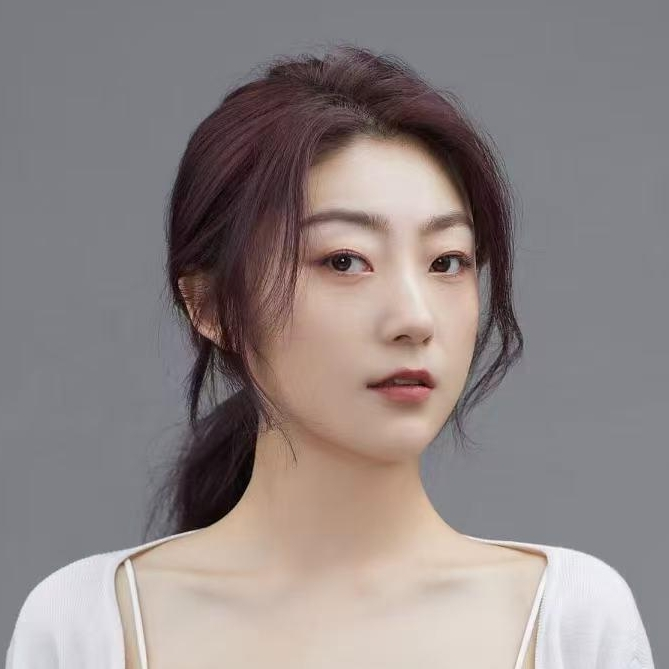
Ting Song
Ting Museum
AI Artist, Writer

Anna Borou Yu
MIT Theater Arts, Visiting Artist
UCSB Media Arts and Technology, PhD Student
MYStudio, Cofounder
We invite professional artists, researchers, students, and enthusiasts from around the world to be part of this exciting showcase. Join us in Bangkok and help define the future of art and intelligence.
Book
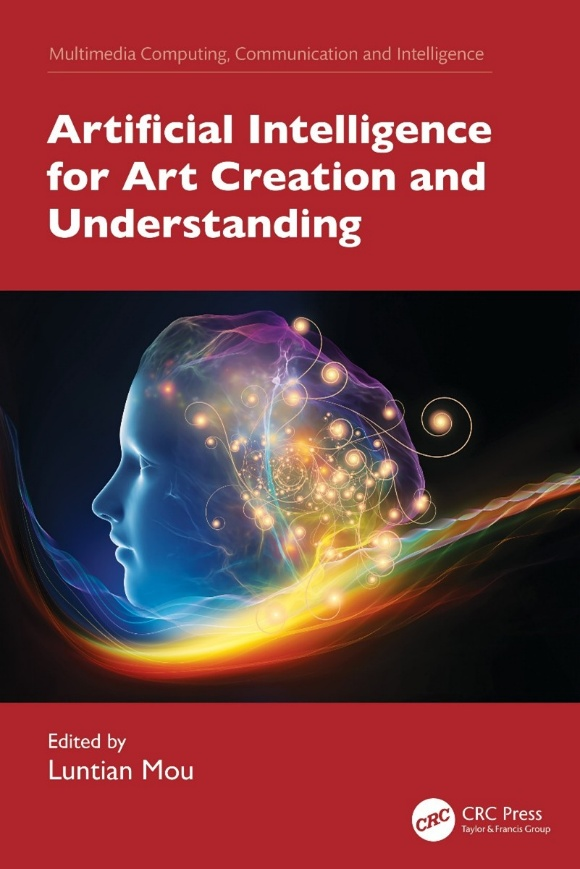
Artificial Intelligence for Art Creation and Understanding
Edited By Luntian Mou
eBook Published: 29 August 2024 Imprint: CRC Press DOI: https://doi.org/10.1201/9781003406273
ABSTRACT
AI-Generated Content (AIGC) is a revolutionary engine for digital content generation. In the area of art, AI has achieved remarkable advancements. AI is capable of not only creating paintings or music comparable to human masterpieces, but it also understands and appreciates artwork. For professionals and amateurs, AI is an enabling tool and an opportunity to enjoy a new world of art.
This book aims to present the state-of-the-art AI technologies for art creation, understanding, and evaluation. The contents include a survey on cross-modal generation of visual and auditory content, explainable AI and music, AI-enabled robotic theater for Chinese folk art, AI for ancient Chinese music restoration and reproduction, AI for brainwave opera, artistic text style transfer, data-driven automatic choreography, Human-AI collaborative sketching, personalized music recommendation and generation based on emotion and memory (MemoMusic), understanding music and emotion from the brain, music question answering, emotional quality evaluation for generated music, and AI for image aesthetic evaluation.
The key features of the book are as follows:
·AI for Art is a fascinating cross-disciplinary field for the academic community as well as the public.
·Each chapter is an independent interesting topic, which provides an entry for corresponding readers.
·It presents SOTA AI technologies for art creation and understanding.
·The artistry and appreciation of the book is wide-ranging – for example, the combination of AI with traditional Chinese art.
This book is dedicated to the international cross-disciplinary AI Art community: professors, students, researchers, and engineers from AI (machine learning, computer vision, multimedia computing, affective computing, robotics, etc.), art (painting, music, dance, fashion, design, etc.), cognitive science, and psychology. General audiences can also benefit from this book.
Purchase Links:
·https://www.amazon.com/Artificial-Intelligence-Understanding-Multimedia-Communication/dp/1032523603
· https://www.routledge.com/Artificial-Intelligence-for-Art-Creation-and-Understanding/Mou/p/book/9781032523606
· https://item.jd.com/10112811679589.html
· https://product.dangdang.com/11804604409.html
History
·AIART 2025: https://aiart-2025.github.io/ , Nantes, France, with ICME 2025
·AIART 2024: https://aiart2024.github.io/, Niagra Falls, Canada, with ICME 2024
·AIART 2023: https://aiart2023.github.io/,Brisbane, Australia, with ICME 2023
·AIART 2022: https://aiart2022.github.io/, online, with ICME 2022
·AIART 2021: https://aiart2021.github.io/, online, with MIPR 2021
·AIART 2020: https://aiart2020.github.io/, online, with MIPR 2020
·AIART 2019: https://aiart2019.github.io/, San Jose, USA, with MIPR 2019


 京公网安备11010802017125号